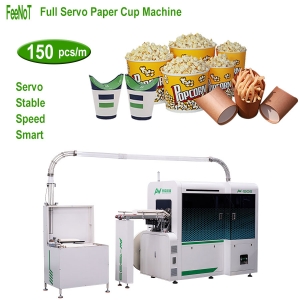
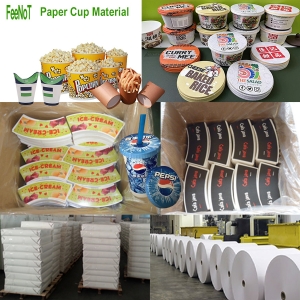
 เครื่องถ้วยกระดาษเซอร์โวเต็ม

ถ้วยกระดาษคืออะไร? ถ้วยกระดาษนิเวศแบบใช้แล้ว,
ถ้วยกระดาษเป็นภาชนะที่ทำจากกระดาษแข็ง, designed to hold and serve both hot and cold beverages.
Following information copy from the internet.
ถ้วยกระดาษคืออะไร?
ถ้วยกระดาษเป็นภาชนะที่ทำจากกระดาษแข็ง, designed to hold and serve both hot and cold beverages.
To make them liquid-proof, the paper is coated on the inside with a waterproofing material, such as a thin layer of plastic (เอทิลีน) or wax.
They are widely used for takeout services in coffee shops and restaurants, at offices, and during parties and events.
Construction and features
Insulation: Some paper cups have double or ripple walls to provide better insulation. This keeps hot drinks warm and protects hands from the heat.
การเคลือบ: The inner lining prevents the cup from getting soggy. Historically, this was wax, but many modern cups use polyethylene (PE) หรือ, for more eco-friendly options, polylactic acid (พลา). Newer, plastic-free coatings are also being developed to improve recyclability.
ฝาปิด: ถ้วยกระดาษสำหรับเครื่องดื่มร้อนมักมีฝาปิดพลาสติกเพื่อป้องกันการหกและทำให้เครื่องดื่มร้อน. ฝาปิดเหล่านี้ได้รับการออกแบบให้มีช่องเปิดขนาดเล็กสำหรับจิบ.
การปรับแต่ง: แบรนด์ต่างๆ สามารถพิมพ์โลโก้และการออกแบบลงบนถ้วยกระดาษเพื่อวัตถุประสงค์ทางการตลาดได้.
ประวัติศาสตร์
การใช้แบบโบราณ: ถ้วยกระดาษ, รู้จักกันในชื่อฉือเป่ย, มีมาตั้งแต่จักรวรรดิจีนในศตวรรษที่ 2 และใช้สำหรับเสิร์ฟชา.
การพัฒนาที่ทันสมัย: ความทันสมัย, ถ้วยกระดาษแบบใช้แล้วทิ้งได้รับความนิยมในต้นศตวรรษที่ 20 ในสหรัฐอเมริกา.
ความกังวลด้านสาธารณสุข: การเปลี่ยนจากแก้วส่วนกลางไปใช้แก้วแบบใช้แล้วทิ้งได้รับแรงผลักดันจากการรณรงค์ด้านสาธารณสุข, โดยเน้นการแพร่กระจายของเชื้อโรคจากภาชนะดื่มที่ใช้ร่วมกันในที่สาธารณะ.
ดิ๊กซี่คัพ: หนึ่งในแบรนด์แรกเริ่มที่มีชื่อเสียงที่สุดคือ “สุขภาพคุปส์,” ต่อมาเปลี่ยนชื่อเป็น “ดิ๊กซี่คัพ,” ซึ่งพัฒนาโดย Lawrence Luellen และ Hugh Moore เพื่อใช้กับตู้น้ำหยอดเหรียญ.
ผลกระทบต่อสิ่งแวดล้อมและการรีไซเคิล
ความท้าทาย: การบุพลาสติกในถ้วยกระดาษจำนวนมากทำให้ยากต่อการรีไซเคิลในโรงงานรีไซเคิลกระดาษมาตรฐาน, และมักจะจบลงที่หลุมฝังกลบ.
โซลูชั่นที่ใหม่กว่า: ผู้ผลิตบางรายกำลังแก้ไขปัญหานี้โดยใช้สารเคลือบที่สามารถรีไซเคิลได้ง่ายกว่า, หรือโดยการสร้างถ้วยกระดาษที่สามารถย่อยสลายได้ทางชีวภาพหรือย่อยสลายได้ภายใต้สภาวะที่เหมาะสม.
การแลกเปลี่ยนด้านสิ่งแวดล้อม: เมื่อเทียบกับภาชนะที่ใช้ซ้ำได้, ถ้วยกระดาษแบบใช้แล้วทิ้งยังคงใช้พลังงานและทรัพยากรจำนวนมากในการผลิตและก่อให้เกิดของเสีย. อย่างไรก็ตาม, มักถูกมองว่าเป็นตัวเลือกที่เป็นมิตรต่อสิ่งแวดล้อมมากกว่าถ้วยพลาสติกหรือโฟมแบบใช้แล้วทิ้ง.
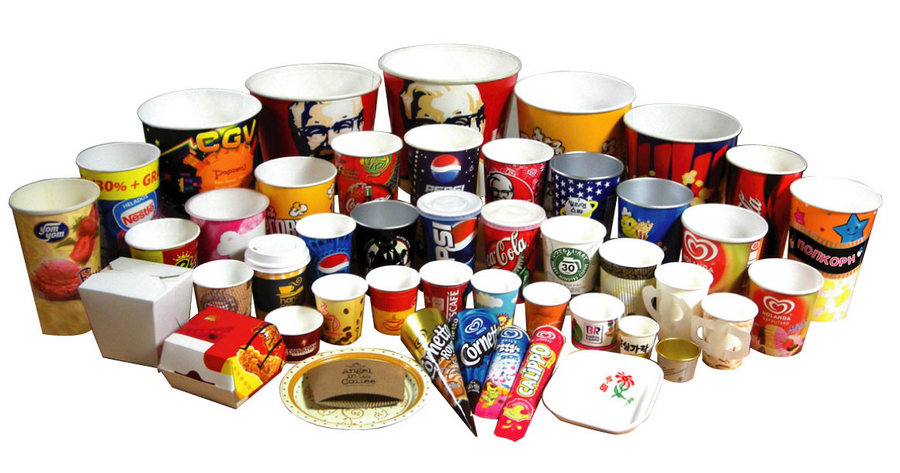
ประวัติข้อมูลถ้วยกระดาษถ้วยกระดาษใช้แล้วทิ้งคืออะไร
ถ้วยกระดาษคืออะไร?
เป็นที่นิยม, ถ้วยแบบใช้แล้วทิ้งที่ผลิตโดย เครื่องถ้วยกระดาษเซอร์โว, เรียกว่าถ้วยกระดาษ.
ถ้วยกระดาษมีขนาดเล็ก, ถ้วยใช้แล้วทิ้งที่ทำจากกระดาษ, มักเคลือบด้วยพลาสติกหรือแว็กซ์เพื่อป้องกันไม่ให้ของเหลวรั่วไหล.
เป็นที่นิยมสำหรับการใช้งานแบบใช้ครั้งเดียวเนื่องจากมีน้ำหนักเบาและราคาไม่แพง.
นี่คือรายละเอียดเพิ่มเติม:
- วัสดุ: ทำจากกระดาษเป็นหลัก, พร้อมบุพลาสติกหรือแวกซ์เพื่อให้กันน้ำได้.
- วัตถุประสงค์: ออกแบบมาเพื่อใส่เครื่องดื่ม, ทั้งร้อนและเย็น.
- แบบใช้แล้วทิ้ง: มีไว้สำหรับการใช้งานครั้งเดียวแล้วทิ้ง.
- ข้อดี: น้ำหนักเบา, ราคาไม่แพง, และรีไซเคิลได้ง่าย.
- ทางเลือก: วัสดุถ้วยแบบใช้แล้วทิ้งอื่นๆ ได้แก่ พลาสติก, สไตรีน, และโฟม.
- ผลกระทบต่อสิ่งแวดล้อม: ในขณะที่ย่อยสลายได้ทางชีวภาพและย่อยสลายได้ภายใต้สภาวะที่เหมาะสม, ถ้วยกระดาษมักจะมีซับในพลาสติกที่ทำให้การรีไซเคิลยุ่งยาก.
ถ้วยกระดาษคืออะไร? ถ้วยกระดาษนิเวศแบบใช้แล้ว
ข้อมูลต่อไปนี้คัดลอกมาจาก Wikipedia.
ถ้วยกระดาษเป็นถ้วยแบบใช้แล้วทิ้งที่ทำจากกระดาษและมักบุหรือเคลือบด้วยพลาสติกหรือขี้ผึ้งเพื่อป้องกันไม่ให้ของเหลวรั่วไหลออกหรือซึมผ่านกระดาษ.
ถ้วยแบบใช้แล้วทิ้งในสภาพแวดล้อมที่ใช้ร่วมกันกลายเป็นเรื่องปกติมากขึ้นด้วยเหตุผลด้านสุขอนามัยหลังจากการถือกำเนิดของทฤษฎีเชื้อโรค.
เนื่องจากปัญหาสิ่งแวดล้อมเป็นหลัก, ถ้วยแบบใช้แล้วทิ้งสมัยใหม่อาจทำจากกระดาษรีไซเคิลหรือวัสดุราคาไม่แพงอื่นๆ เช่น พลาสติก.
ประวัติความเป็นมาของถ้วยกระดาษ
ถ้วยกระดาษได้รับการบันทึกไว้ในจักรวรรดิจีน, ที่ซึ่งกระดาษถูกประดิษฐ์ขึ้นโดยศตวรรษที่ 2 ก่อนคริสต์ศักราช.
ถ้วยกระดาษเป็นที่รู้จักในชื่อ Chih Pei และใช้สำหรับเสิร์ฟชา.
สร้างขึ้นในขนาดและสีต่างๆ, และประดับด้วยลวดลายตกแต่ง.
หลักฐานข้อความของถ้วยกระดาษปรากฏในคำอธิบายสมบัติของตระกูลหยู, จากเมืองหางโจว.
ถ้วยกระดาษสมัยใหม่ได้รับการพัฒนาในศตวรรษที่ 20. ในช่วงต้นศตวรรษที่ 20, เป็นเรื่องปกติที่จะมีการแชร์แก้วหรือกระบวยที่แหล่งน้ำ เช่น ก๊อกน้ำของโรงเรียนหรือถังน้ำในรถไฟ.
การใช้ร่วมกันนี้ทำให้เกิดความกังวลด้านสาธารณสุข.
ประวัติศาสตร์
การตรวจสอบการใช้งานที่โดดเด่นประการหนึ่งคือการศึกษาของ Alvin Davison, ศาสตราจารย์ด้านชีววิทยาที่วิทยาลัยลาฟาแยต, ตีพิมพ์ด้วยชื่อเรื่องที่เร้าใจ “ความตายในถ้วยดื่มของโรงเรียน” ในนิตยสาร Technical World เดือนสิงหาคม 1908, จากการวิจัยที่ดำเนินการในอีสตัน, โรงเรียนรัฐบาลของรัฐเพนซิลวาเนีย.
บทความนี้ได้รับการพิมพ์ซ้ำและจัดจำหน่ายโดยคณะกรรมการสุขภาพแห่งรัฐแมสซาชูเซตส์ในเดือนพฤศจิกายน 1909.
จากความกังวลเหล่านี้, และเป็นสินค้ากระดาษ (โดยเฉพาะหลังจาก 1908 การประดิษฐ์ดิกซี่คัพ) มีราคาถูกและหาได้หมดจด, มีการสั่งห้ามในท้องถิ่นสำหรับแก้วที่ใช้ร่วมกัน.
บริษัทรถไฟรายแรกๆ ที่ใช้ถ้วยกระดาษแบบใช้แล้วทิ้งคือรถไฟลัคนาวันนา, ซึ่งเริ่มนำมาใช้ใน 1909. โดย 1917, กระจกสาธารณะหายไปจากตู้รถไฟ, แทนที่ด้วยถ้วยกระดาษแม้ในเขตอำนาจศาลที่แก้วสาธารณะยังไม่ถูกห้าม.
ถ้วยกระดาษยังถูกนำมาใช้ในโรงพยาบาลด้วยเหตุผลด้านสุขภาพอีกด้วย. ใน 1942 วิทยาลัยรัฐแมสซาชูเซตส์พบในการศึกษาชิ้นหนึ่งว่าค่าใช้จ่ายในการใช้แว่นตาแบบซักได้, นำกลับมาใช้ใหม่หลังจากผ่านการฆ่าเชื้อแล้ว, เคยเป็น 1.6 คูณต้นทุนการใช้ถ้วยกระดาษแบบบริการเดียว.
การศึกษาเหล่านี้, รวมถึงการลดความเสี่ยงของการติดเชื้อข้าม, ส่งเสริมการใช้ถ้วยกระดาษในโรงพยาบาล.
ผลิต
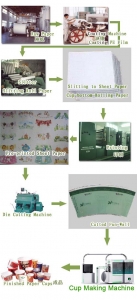
กระดาษฐานสำหรับถ้วยกระดาษเรียกว่า “ตู้”, และผลิตด้วยเครื่องจักรกระดาษหลายชั้นแบบพิเศษ. มีการเคลือบกั้นเพื่อกันน้ำ.
กระดาษต้องการความแข็งสูงและมีขนาดเปียกที่แข็งแรง. เกรดคัพบอร์ดมีการออกแบบพิเศษสำหรับกระบวนการผลิตถ้วย.
กระบวนการขึ้นรูปม้วนปากต้องมีคุณสมบัติการยืดตัวที่ดีของบอร์ดและการเคลือบพลาสติก.
ม้วนปากที่มีรูปทรงที่ดีช่วยให้ถ้วยมีความแข็งและจับได้. น้ำหนักพื้นฐานของแผ่นกระดานคือ 170–350 กรัม/ตร.ม.
เพื่อตอบสนองความต้องการด้านสุขอนามัย, โดยทั่วไปถ้วยกระดาษจะผลิตจากเยื่อบริสุทธิ์ (ไม่รีไซเคิล) วัสดุ.
ข้อยกเว้นประการหนึ่งคือเมื่อถ้วยกระดาษมีชั้นฉนวนพิเศษเพื่อกักเก็บความร้อน, ซึ่งไม่เคยสัมผัสกับเครื่องดื่มเลย, เช่นชั้นกระดาษลูกฟูกพันรอบถ้วยผนังชั้นเดียว.
กันซึม
เดิมที, ถ้วยกระดาษสำหรับเครื่องดื่มร้อนติดกาวเข้าด้วยกันและกันน้ำได้โดยหยดดินเหนียวจำนวนเล็กน้อยไว้ที่ก้นถ้วย, แล้วหมุนด้วยความเร็วสูงเพื่อให้ดินเหนียวเคลื่อนตัวขึ้นไปตามผนังถ้วย, ทำให้กระดาษสามารถกันน้ำได้.
อย่างไรก็ตาม, ส่งผลให้เครื่องดื่มมีกลิ่นและชิมกระดาษแข็ง.
ถ้วยเครื่องดื่มเย็น ๆ ไม่สามารถปฏิบัติได้ในลักษณะเดียวกัน, เมื่อเกิดการควบแน่นจากภายนอก, แล้วซึมเข้าไปในกระดาน, ทำให้ถ้วยไม่มั่นคง.
เพื่อแก้ไขปัญหานี้, ผู้ผลิตถ้วยได้พัฒนาเทคนิคการพ่นแว๊กซ์ทั้งด้านในและด้านนอกถ้วย.
Clay and wax-coated cups disappeared with the invention of polyethylene (PE)-ถ้วยเคลือบ;
กระบวนการนี้ครอบคลุมพื้นผิวของกระดานด้วยชั้น PE ที่บางมาก, กันซึมบอร์ดและเชื่อมตะเข็บเข้าด้วยกัน.
ใน 2017, the Finnish board manufacturer Kotkamills launched a new kind of cup (บริการอาหาร) กระดานที่ไม่ต้องใช้ขี้ผึ้งหรือพลาสติกในการกันซึม,
และสามารถนำกลับมารีไซเคิลได้เป็นส่วนหนึ่งของกระแสขยะกระดาษและกระดานตามปกติ, ย่อยสลายทางชีวภาพ, or even composted in small quantities.
ใน 2017, the Newport Beach, California, company Smart Planet Technologies, เปิดตัว “รีคัพ” สำหรับตลาดสหราชอาณาจักร, a recyclable paper cup using a polyethylene and mineral-blended coating branded EarthCoating, ที่ได้รับการออกแบบทางวิศวกรรมให้รีไซเคิลผ่านระบบรีไซเคิลกระดาษแบบดั้งเดิม.
Paper cups with EarthCoating are sold by Detpak, Huhtamaki, Linstol, and Pureco USA.
การพิมพ์บนถ้วยกระดาษ
1, Flexo printing:
เดิมทีถ้วยกระดาษพิมพ์โดยใช้บล็อกยางติดอยู่บนกระบอกสูบ, มีกระบอกที่แตกต่างกันสำหรับแต่ละสี.
การลงทะเบียนด้วยสีที่ต่างกันนั้นทำได้ยากมาก, but later flexography plates became available and with the use of mounting systems it became easier to register across the colours, ทำให้มีการออกแบบที่ซับซ้อนมากขึ้น. การพิมพ์เฟล็กโซกราฟีกลายเป็นอุดมคติสำหรับการใช้งานระยะยาว และโดยทั่วไปผู้ผลิตจะใช้วิธีนี้เมื่อผลิตถ้วยมากกว่าหนึ่งล้านใบ.
Machines such as Comexi are used for this, ซึ่งได้รับการดัดแปลงเพื่อใช้ม้วนขนาดใหญ่พิเศษที่ผู้ผลิตถ้วยกระดาษกำหนด.
Ink technology has also changed and where solvent-based inks were being used, มีการใช้หมึกแบบน้ำแทน.
ผลข้างเคียงประการหนึ่งของหมึกที่ใช้ตัวทำละลายคือถ้วยเครื่องดื่มร้อนสามารถมีกลิ่นของตัวทำละลายได้, ในขณะที่หมึกสูตรน้ำสามารถขจัดปัญหานี้ได้.
2, Offset printing:
Other methods of printing have been used for short runs such as offset printing, which can vary within a range from 10,000 ถึง 100,000 ถ้วย.
หมึกพิมพ์ออฟเซตได้รับการพัฒนาเช่นกัน และแม้ว่าในอดีตจะเป็นหมึกพิมพ์แบบตัวทำละลายก็ตาม, the latest soya-based inks have reduced the danger of cups smelling.
3, Digital printing:
The latest development is Direct-printing, ซึ่งช่วยให้สามารถพิมพ์ได้ในปริมาณที่น้อยมาก, โดยทั่วไปแล้วจะมาจาก 1,000 ถ้วย, and is used by companies including Brendos Ltd offering small quantities in short lead times.
4, Rotogravure printing:
Rotogravure can also be used, แต่มีราคาแพงมากและโดยปกติจะใช้เฉพาะกับสินค้าที่ต้องการการพิมพ์คุณภาพสูงเช่นภาชนะไอศกรีมเท่านั้น.
Plastic material:
โพลีเอทิลีน (PE) is a petroleum-based coating on paper cups that can slow down the process of biodegrading of the paper it coats.
กรดโพลีแลกติก (พลา) is a biodegradable bio-plastic coating used on some paper cups.
PLA is a renewable resource and is certified compostable in industrial composting facilities,
ซึ่งหมายความว่าเมื่อมันย่อยสลายทางชีวภาพ, ไม่ทิ้งสารพิษตกค้าง.
แม้ว่าถ้วยที่มีเส้น PLA จะเป็นถ้วยกระดาษเพียงชนิดเดียวที่สามารถย่อยสลายได้เต็มที่,
พวกเขาสามารถปนเปื้อนในกระแสของเสียได้, มีรายงานว่าทำให้พลาสติกรีไซเคิลอื่นๆ ไม่สามารถจำหน่ายได้.
ฝาปิด
ถ้วยกระดาษอาจมีฝาปิดหลายประเภท.
The yogurt paper cups containers, ตัวอย่างเช่น, โดยทั่วไปจะมีฝาปิดสองประเภท: heat-seal foil lids used for small “เสิร์ฟเดี่ยว” ตู้คอนเทนเนอร์, และ 150–200 มล (5–7 ออนซ์ออนซ์) การกดพลาสติก, ฝาผนึกใช้สำหรับขนาดใหญ่ “ขนาดครอบครัว” ตู้คอนเทนเนอร์, 250–1,000 มล (8–30 ออนซ์ออนซ์), โดยที่โยเกิร์ตไม่สามารถบริโภคทั้งหมดในคราวเดียวได้ ดังนั้น จึงจำเป็นต้องมีความสามารถในการปิดภาชนะอีกครั้ง.
เครื่องดื่มร้อนที่ขายในถ้วยกระดาษอาจมีฝาปิดพลาสติก, เพื่อให้เครื่องดื่มร้อนและป้องกันการหกเลอะเทอะ.
These lids have a hole through which to sip the drinks.
ฝาพลาสติกมีคุณสมบัติได้หลายอย่าง รวมถึงแถบลอกกลับด้วย, ผนังยกขึ้นเพื่อปกป้องโฟมของเครื่องดื่มร้อนรสเลิศและข้อความนูน.
ใน 2008, Starbucks introduced shaped plastic “สาดแท่ง” เพื่อปิดกั้นหลุม, ในร้านค้าบางแห่งของพวกเขา, หลังจากที่ลูกค้าร้องเรียนเรื่องกาแฟร้อนกระเด็นผ่าน.
ถ้วยกระดาษคืออะไร? Disposable paper cup information history